

Walk into any modern building and one thing stands out immediately. Glass is everywhere. From full-height windows and internal partitions to glass doors and meeting rooms, it has become one of the most dominant design features in contemporary spaces. But glass is no longer just about light and openness. It has become a powerful branding surface.
Glass branding allows businesses to communicate identity, values, and personality without cluttering a space. It keeps environments clean, open, and professional while still making the brand visible. In modern buildings, this balance between design and communication is essential.
Branding Without Visual Clutter
One of the biggest strengths of glass branding is subtlety. Unlike traditional wall signage or large printed boards, glass graphics can deliver brand messaging without overwhelming the space. Frosted elements, etched-style designs, and clean vinyl graphics allow branding to exist naturally within the architecture.
This approach works especially well in modern buildings where minimal design and open layouts are part of the identity. Working with a custom sign maker ensures glass branding supports that aesthetic while still giving the brand a presence. It feels integrated rather than added on.
Frosted Glass For Privacy And Identity
Frosted glass is one of the most practical and visually effective branding solutions. It provides privacy while still allowing light to flow through the space. In meeting rooms, offices, and reception areas, frosted designs create separation without closing areas off.
From a branding perspective, frosted graphics can carry logos, patterns, and subtle messaging. This turns functional privacy features into brand assets, even in creative environments like a sewing class studio. Instead of plain frosting, the space becomes visually connected to the company’s identity.
Logos That Live In The Space
Glass branding allows logos to feel like part of the building rather than surface decoration. When applied properly, a logo on glass becomes architectural. It feels permanent, intentional, and integrated.
This creates a strong sense of professionalism and credibility. Visitors see the brand not as something placed on top of the space, but as something built into it, a principle that also applies to thoughtful school branding in modern learning environments. That sense of belonging strengthens brand perception without needing bold or heavy visuals.
Creating Flow And Structure
Modern buildings often use glass to define space without blocking light. Glass branding supports this by adding structure and clarity. Branded glass partitions help define departments, meeting areas, and shared spaces while maintaining openness.
This improves navigation and understanding of the building layout. People move more confidently through the space because visual cues guide them naturally. Branding becomes part of the flow rather than an obstacle.
Supporting Wayfinding Through Design
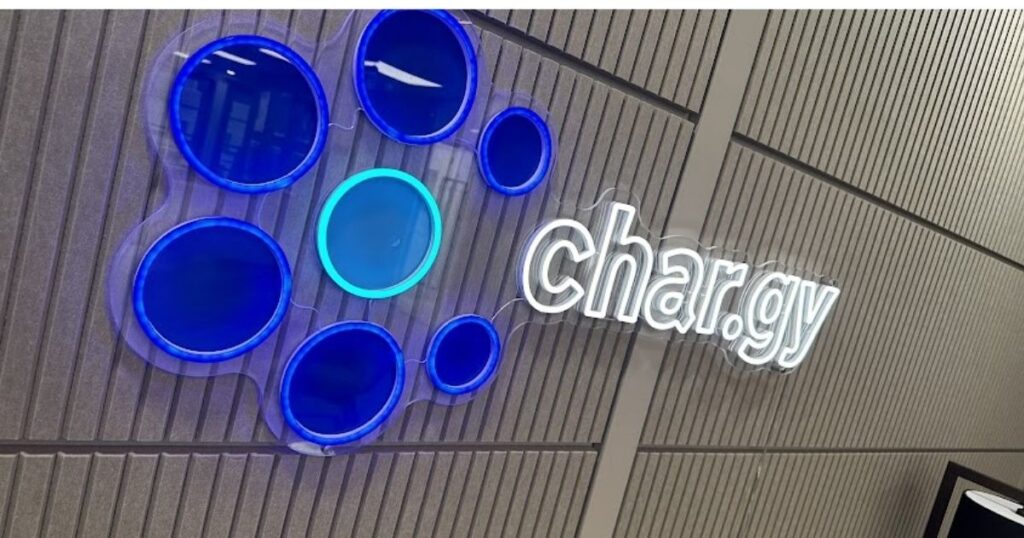
Glass branding is not just visual. It can support practical navigation. Subtle directional cues, text, and symbols on glass surfaces help people find their way without large signage systems.
This is especially effective in large modern buildings where open layouts can feel disorienting. Glass graphics guide movement while maintaining clean design. Function and branding work together rather than competing for attention.
Culture And Values Made Visible
Glass branding is also a powerful tool for expressing company culture. Messaging, values, and internal identity can be built into glass features across offices and shared spaces. This makes brand culture part of the environment instead of something hidden in documents or presentations.
For staff, this creates a stronger connection to the organisation. The workspace reflects purpose and direction. For visitors, it communicates professionalism, clarity, and confidence in the brand’s identity.
Digital Meets Physical Branding
Modern buildings often combine digital and physical branding. Glass branding plays a key role in connecting these two worlds. The same design language used online can be reflected in glass graphics inside the building.
This consistency builds trust and recognition. People experience the same brand tone across digital platforms and physical spaces. The brand feels unified instead of fragmented.
Long Term Branding Value
Glass branding is not a short term design feature. It is a long term branding investment. It ages well, adapts to changing layouts, and maintains relevance as spaces evolve. Unlike temporary signage, it becomes part of the building’s identity.
As businesses grow, glass branding provides continuity. New spaces can follow the same visual language, maintaining consistency across locations and environments.
Practical Benefits For Modern Buildings
Beyond branding, glass graphics also improve usability. They help prevent collisions on clear panels, improve safety, and define boundaries clearly. These functional benefits add value while supporting design goals.
Modern buildings need solutions that work both visually and practically. Glass branding does both. It enhances the environment while improving everyday experience for staff and visitors.
Making Branding Feel Natural
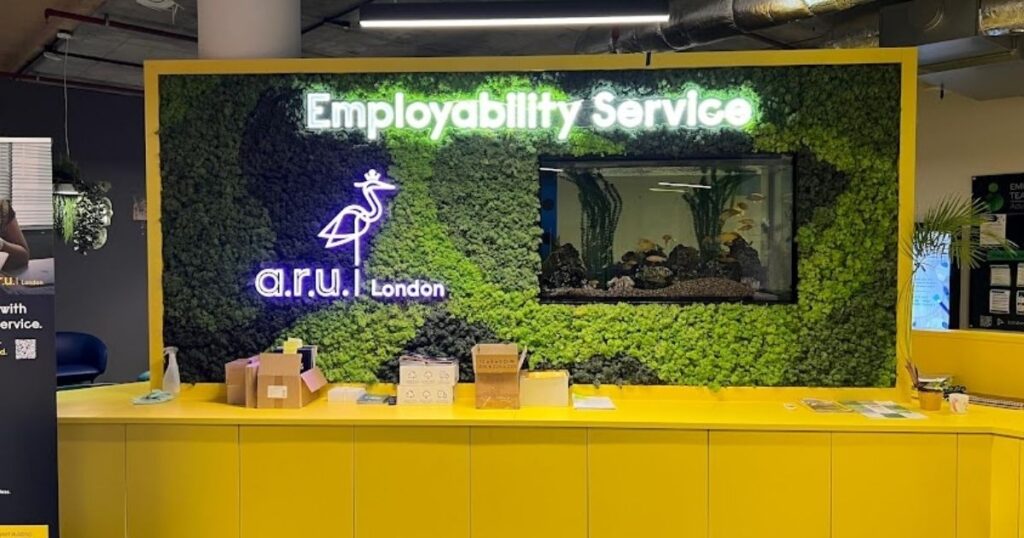
The best glass branding never feels forced. It feels like it belongs. It supports the building’s architecture instead of competing with it. It communicates identity without shouting for attention.
This is what makes it so effective in modern buildings. Branding becomes part of the environment, not an overlay. People absorb it naturally as they move through the space.
Bringing Glass Branding Into Modern Design
Glass branding offers a clean, professional, and intelligent way to communicate brand identity in modern buildings. It supports openness, clarity, and structure while strengthening visual identity and brand presence.
As architecture continues to prioritise light, space, and openness, glass will remain a dominant feature. Businesses that use it strategically will not only enhance their spaces but strengthen how their brand is experienced every day. Glass branding does not just decorate modern buildings. It defines them.

