
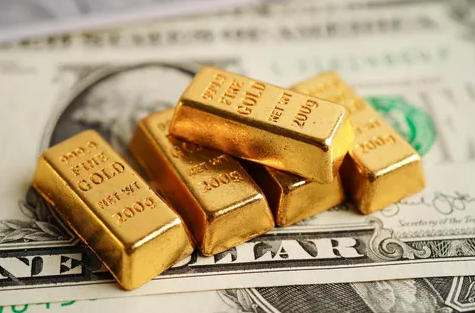
Tracking the gold USD rate has become second nature for anyone with an eye on global markets. Whether you are a first-time investor or someone who has held bullion for decades, the price of gold in US dollars remains one of the most watched figures in finance. It reflects everything from currency strength to geopolitical tension, and understanding it can help you make smarter decisions about when to buy, sell, or simply hold.
Why the Gold USD Rate Matters So Much
Gold has traded in US dollars for generations, which makes the dollar price the default benchmark used by traders, central banks, and everyday savers alike. When the dollar weakens against other currencies, gold priced in USD often rises, since it becomes relatively cheaper for buyers holding other currencies. Conversely, a strong dollar can put downward pressure on gold prices even if underlying demand hasn’t changed.
This relationship is one reason why so many investors watch currency movements alongside gold charts. A single overnight shift in dollar strength can move the gold price meaningfully, even without any new economic data being released.
See also: Why Supplements Hong Kong Are Becoming More Popular for Health and Wellness
What Drives Daily Fluctuations
A handful of forces shape the gold USD price on any given day:
- Interest rate expectations from the US Federal Reserve
- Inflation data and consumer price reports
- Global demand from jewellery markets, central banks, and industrial users
- Safe-haven buying during periods of political or economic uncertainty
- Supply constraints from mining output
None of these factors work in isolation. A rate decision paired with unexpected inflation numbers, for example, can send gold swinging in either direction within minutes.
How to Read Gold Price Movements Without Overreacting
New investors sometimes make the mistake of reacting to every daily tick. It’s far more useful to zoom out and look at trends over weeks or months rather than hours. Short-term noise is normal in any commodity market, and gold is no exception.
A simple approach many seasoned buyers use is to check historical patterns before making a decision. Reviewing how gold has moved over previous quarters, rather than just the last 24 hours, offers a clearer picture of momentum. For anyone who wants a reliable, regularly updated reference point, the gold usd is a useful tool for spotting these longer-term patterns before making a buying decision.
Timing Purchases Around the Gold USD Rate
There’s no perfect formula for timing the market, but a few habits can improve your odds:
- Avoid buying purely on emotion during a price spike driven by panic.
- Compare current levels against the average price over the past six to twelve months.
- Consider dollar-cost averaging rather than a single lump-sum purchase.
- Pay attention to major central bank announcements, which often precede volatility.
These habits won’t guarantee the lowest possible entry price, but they reduce the chance of buying at an obvious local peak.
Gold as a Long-Term Hedge
Beyond short-term trading, many people hold gold simply as a hedge against currency devaluation and inflation. Because gold isn’t tied to any single government’s monetary policy, it tends to hold its purchasing power over long stretches of time, even as paper currencies lose value. This is part of why central banks themselves continue to hold substantial gold reserves.
For individual investors, this means gold often plays a different role in a portfolio than stocks or bonds. It’s less about generating income and more about preserving value when other assets are under pressure.
Frequently Asked Questions
Is gold always priced in US dollars? Gold is most commonly quoted in USD internationally, though local dealers will convert it into your home currency for actual transactions.
Does a falling dollar always mean rising gold prices? Not always, but there is a strong historical inverse relationship between dollar strength and gold prices, since a weaker dollar makes gold cheaper for holders of other currencies.
How often should I check the gold price? Daily checking is unnecessary for long-term holders. Weekly or monthly reviews are usually sufficient unless you are actively trading.
Final Thoughts
The gold USD rate is more than just a number on a screen; it’s a reflection of currency strength, investor sentiment, and global economic health. By focusing on longer-term trends rather than daily noise, and by using reliable price references to guide decisions, investors can approach gold with more confidence and less guesswork.

