
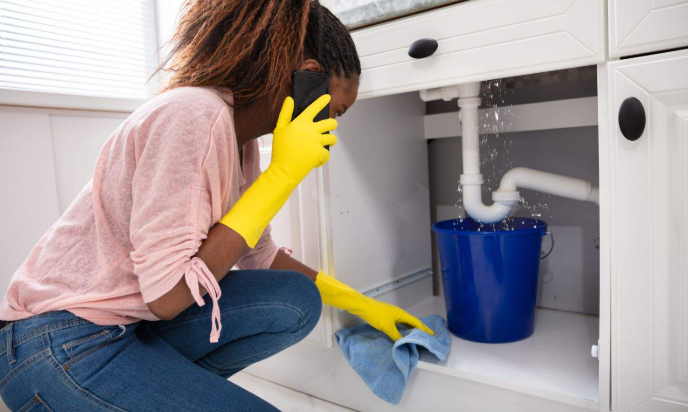
Understanding What Causes a Clogged Sink
A clogged sink is one of the most common yet frustrating household plumbing problems. It often starts as a minor inconvenience, such as slow drainage, but can quickly escalate into a complete blockage if left untreated. The main causes of clogged sinks include food particles, grease buildup, soap residue, and hair accumulation. In kitchen sinks, grease and oil are particularly problematic because they solidify as they cool, sticking to the walls of pipes and trapping other debris. Over time, this accumulation narrows the passageway for water, leading to slow drainage or total blockage.
In bathroom sinks, hair and soap scum are the usual culprits. Soap residue combines with minerals in water to form a hard substance that sticks to pipes. When hair gets caught in this sticky buildup, it forms a stubborn clog that is difficult to remove. Understanding the root cause of the clog is the first step toward solving the problem effectively. By identifying what is causing the blockage, you can choose the right method to clear it and prevent it from happening again in the future.
Early Signs That Indicate a Sink Is Clogging
Recognizing the early warning signs of a Waschbecken verstopft can save you from costly repairs and major inconvenience. One of the first indicators is slow drainage. If you notice that water is taking longer than usual to drain, it is likely that a partial blockage is forming in the pipes. Another common sign is an unpleasant odor coming from the sink. This smell is usually caused by trapped food particles or organic matter that is starting to decompose inside the drain.
Gurgling sounds are also a clear sign of trouble. These noises occur when air is trapped in the pipes due to a blockage, causing bubbles to form as water tries to pass through. Ignoring these signs can lead to a complete clog, which may result in water backing up into the sink. Addressing these early symptoms promptly can help you avoid more severe plumbing issues and maintain a smoothly functioning sink.
Effective Methods to Unclog a Sink at Home
There are several effective ways to unclog a sink using simple tools and household items. One of the most popular methods is using a plunger. A plunger creates suction that helps dislodge the blockage, allowing water to flow freely again. Another effective technique is pouring a mixture of hot water, baking soda, and vinegar down the drain. This natural solution helps break down grease and organic matter, making it easier to flush away the clog.
For more stubborn blockages, a drain snake or auger can be used to physically remove the debris from the pipes. This tool is especially useful for clogs caused by hair or solid materials. If these methods do not work, removing and cleaning the sink trap may be necessary. While these DIY solutions can be effective, it is important to use them carefully to avoid damaging your plumbing system. Taking the right approach can save you time, money, and the hassle of calling a professional plumber.
Preventive Measures to Keep Your Sink Flowing Smoothly
Preventing a clogged sink is much easier than dealing with one. Simple habits can go a long way in keeping your sink in good condition. In the kitchen, avoid pouring grease, oil, or food scraps down the drain. Instead, dispose of them in a trash bin or compost container. Using a sink strainer can also help catch food particles and prevent them from entering the pipes.
In the bathroom, regularly cleaning the drain and removing hair buildup can prevent clogs from forming. Running hot water down the drain after each use can help dissolve soap residue and keep pipes clear. Additionally, using natural cleaning solutions periodically can help maintain a clean and efficient drainage system. By adopting these preventive measures, you can significantly reduce the chances of experiencing a clogged sink and ensure that your plumbing system remains in optimal condition.
See also: Office 2016 Home and Student Mac—An Exciting Step Forward – What’s New
When to Call a Professional for Sink Problems
While many clogs can be handled with DIY methods, there are situations where professional help is necessary. If you have tried multiple solutions and the sink is still not draining properly, the blockage may be deep within the plumbing system. Persistent clogs can indicate more serious issues, such as damaged pipes or tree root intrusion, which require specialized tools and expertise to fix.
Another sign that you need a professional is recurring clogs. If your sink keeps getting blocked despite your efforts to prevent it, there may be an underlying problem that needs to be addressed. Professional plumbers have the knowledge and equipment to diagnose and resolve complex plumbing issues effectively. Seeking expert help at the right time can prevent further damage and ensure that your sink functions properly for years to come.

