
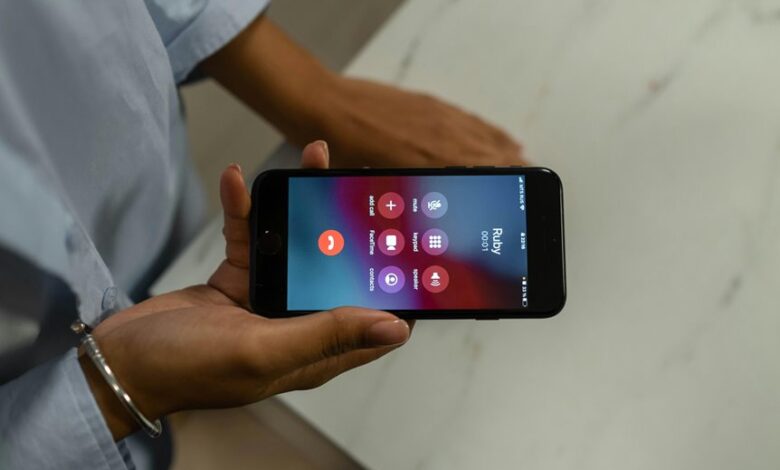
Caller Safety Insight Hub examines how Robokiller’s phone number lookup supports verification. It explains how verification tools assess reachability, legitimacy, and potential spoofing by aggregating signals from carriers, databases, and behavior. The discussion clarifies what scores mean and how trust signals contrast with spam risk indicators. It presents practical steps to interpret results and decide whether to answer, while leaving a question that invites further consideration of who should access these signals and how they’re used.
How Phone Number Lookup Enhances Caller Safety
Phone number lookup enhances caller safety by providing a verifiable trail that helps distinguish legitimate contact from spoofed or fraudulent calls.
In this framework, methodical verification confirms identity while reducing ambiguity.
The approach supports Caller Safety by enabling informed decisions and traceability.
Implementers emphasize transparency, controlled access, and consistent data sources, reinforcing trust through reliable Phone Verification practices without compromising user autonomy.
What Phone Verification Checks Actually Do
What do phone verification checks accomplish in practice, and how do they impact outcomes for both users and providers? Phone verification filters data signals from carriers, databases, and behavior to confirm number legitimacy, status, and reachability. For users, it reduces unwanted calls and fraud risk; for providers, it enhances caller safety, trust, and compliance, while maintaining efficiency and scalable verification workflows.
Interpreting Robokiller Scores: Spam Risk and Trust Signals
Robokiller scores assign a numeric and categorical risk assessment to incoming calls, combining spam likelihood with indicators of trust. The framework distinguishes high, medium, and low risk, translating data into actionable signals. Spam risk reflects caller behavior patterns, while trust signals arise from known numbers and verified sources. Together, these metrics guide decision-making, balancing caution with confidence for freedom-conscious users.
Practical Steps to Verify Numbers Before Answering
Practical steps for verifying numbers before answering involve a disciplined sequence of checks that reduce exposure to unwanted calls. The approach favors verification techniques that confirm legitimacy through source reputation, call history, and documented contact channels. A methodical caller risk assessment accompanies real-time signal analysis, ensuring informed decisions about pickup, screening, or delegation, while maintaining user autonomy and security.
Conclusion
Phone number lookup enhances caller safety by aggregating signals from carriers, databases, and behavior to produce practical trust scores. Verification checks assess reachability, spoofing risk, and source reliability, enabling informed decisions before answering. Robokiller’s scores blend trusted data with spam indicators to identify legitimate vs. suspicious calls. An eye-catching stat: globally, up to 30% of calls are spoofed or otherwise misleading, underscoring the value of proactive verification before engagement. This structured approach supports user autonomy and safer communication.

