
Two identical cars roll into a dealership on the same day. Same make, same model, same year, similar kilometres. One leaves with a noticeably better trade-in offer. The difference? One owner kept the paint protected, the interior clean and the service book stamped on time. The other didn’t.
Depreciation is unavoidable, but how quickly your car loses value is partly in your hands. Buyers and dealers make snap judgements based on appearance, and a car that looks cared for is assumed to have been mechanically cared for too. Regular washing, sensible habits and the occasional professional detail from a specialist such as Detail Central all add up to a vehicle that’s easier to sell and worth more when you do.
Keep the paperwork as clean as the paint
Before we get to wax and vacuum cleaners, let’s talk about the logbook. A complete service history is one of the most persuasive things you can hand a buyer. It shows the car’s been maintained according to the manufacturer’s schedule, and it removes a lot of the uncertainty that drags offers down.
Keep every receipt, including for tyres, batteries, windscreen repairs and any work done outside a dealership. Store them in a folder in the glovebox or scan them so they’re easy to find. If you’ve had paint protection or ceramic coating applied, keep that paperwork as well, since it’s a genuine selling point.
Protect the exterior from the Australian elements
Our climate is tough on cars. Intense UV fades paint and oxidises clear coat. Salt air near the coast speeds up corrosion. Bird droppings, bat droppings and tree sap can etch into the surface within days in hot weather.
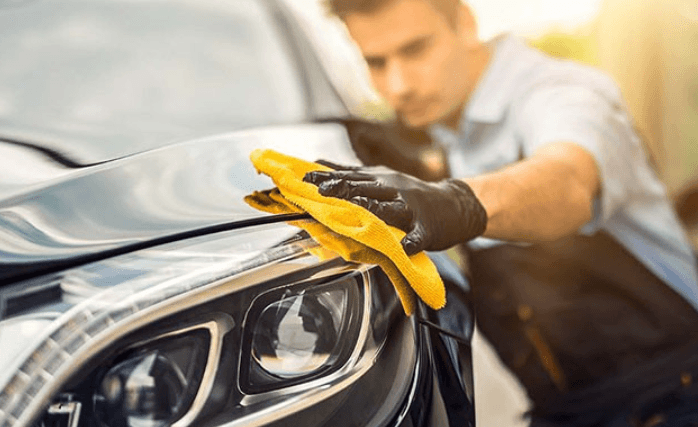
Washing every couple of weeks with a proper car shampoo, using two buckets and a soft mitt, prevents grime from grinding into the paint. Deal with droppings and sap as soon as you spot them, using a quick detailer spray and microfibre cloth. Park in the shade or under cover whenever possible.
A layer of protection makes a big difference. Wax gives a warm shine but wears off in a few months. Synthetic sealants last longer, while professionally applied ceramic coatings can offer durable protection for years with the right maintenance. Paint protection film on the bonnet, bumper and mirrors helps guard against stone chips, which are one of the first things buyers notice.
Don’t forget the details. Faded black plastic trim, cloudy headlights and scuffed wheels all make a car look older than it is. Most of these can be restored with the right products, and a set of clean, dressed tyres instantly lifts the overall look.
The interior tells a story
Open the door of a used car and you can usually tell within seconds how it’s been treated. Stained seats, sticky cup holders, dog hair woven into the carpet and a lingering smell of takeaway all knock value off, even if the engine’s perfect.
Simple habits help. Use quality floor mats and replace them when they wear out. Vacuum regularly, especially if you live near the beach, because sand acts like sandpaper on carpets. Wipe down hard surfaces with a cleaner suited to your car’s materials. Leather needs cleaning and conditioning to stop it drying out and cracking, while fabric seats can be treated to resist stains.
Smoking in a car is one of the fastest ways to destroy its resale value. The smell gets into the headlining and upholstery and is extremely hard to remove. If you’ve got pets or kids, seat covers and a boot liner are worth every cent.
See also: The 6 Outdoor Sauna Retailers I Keep Recommending to People Who Are Serious About This
Prepare properly when it’s time to sell
When you’re ready to sell, presentation is everything. A professional detail before listing or trading in is often one of the best returns on investment you’ll get. Detailers can remove light scratches and swirl marks, deep clean upholstery, restore trim and leave the car looking as close to new as possible.
Take good photos in soft natural light, ideally early morning or late afternoon, against a clean background. Fix small, inexpensive issues such as blown globes, worn wiper blades or minor chips before listing. Gather your service records, spare keys and owner’s manuals so buyers can see you’ve been thorough.
None of this requires an obsessive approach to car care. It’s mostly about consistent, sensible habits that keep small problems from becoming big ones. Look after your car while you own it, and it’ll look after you when it’s time to move on.

