
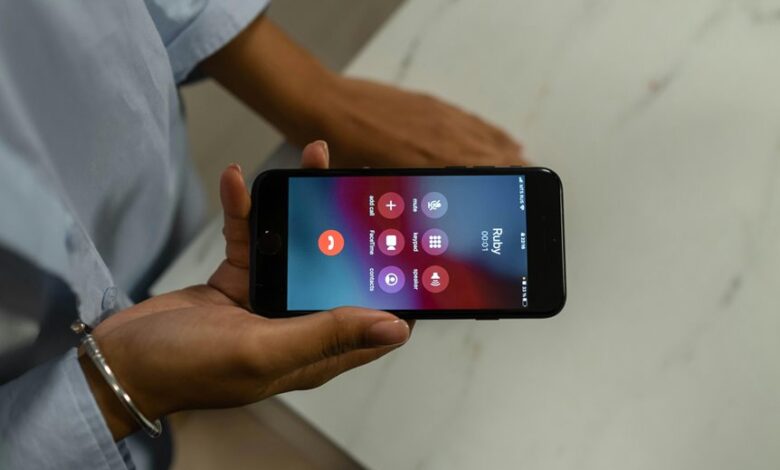
A Robocaller discussion centers on how caller identification keywords signal automated behavior and how searches labeled as such can be interpreted. The guide clarifies terms, patterns, and cues that distinguish trust, suspicion, or neutrality in caller IDs. It also outlines observable indicators like timing, repetitive phrases, rapid dialing, and atypical call durations. Practical screening methods are paired with ethical considerations, blocking tools, and do-not-call resources, leaving a practical edge that compels continued attention.
What Is a Robocaller and Why It Matters
Robocallers are automated systems that deliver pre-recorded or digitally generated messages to large numbers of phone numbers without human intervention.
Robocallers are characterized by scripted prompts and predictable automated call patterns that minimize human involvement while maximizing reach.
This phenomenon intersects policy and technology, highlighting definitions that clarify intent and impact.
Understanding robocaller definitions aids consumers and regulators in mitigating unwanted interruptions and preserving autonomy.
Decoding Caller Identification Keywords
Decoding Caller Identification Keywords lays out the terminology used to describe how calls are labeled and perceived by recipients. The purpose is clarity, not ambiguity. Decoding keywords illuminate how signals are interpreted, while caller signals indicate trust, suspicion, or neutrality. This framework guides readers toward objective assessment, fostering informed choices in screening, labeling, and responding to unfamiliar or potentially deceptive automated calls.
Practical Ways to Spot Automated Call-Related Searches
Practical methods for identifying automated call-related searches focus on observable patterns in caller behavior and metadata. The analysis emphasizes consistent timing, rapid dial responses, and repetitive phraseology accompanying attempts to trigger responses. Key indicators include spotting automation, unusual call durations, and clustered caller origins. Attention to keyword signals helps distinguish bot-driven searches from genuine inquiries while preserving user autonomy and data minimization.
Protecting Yourself: Tips, Tools, and Best Practices
Protecting oneself from automated calls requires a prepared, multi-layer approach that combines awareness, practical tools, and disciplined habits.
The guide emphasizes robocaller ethics and caller privacy, urging users to employ call-blocking apps, do-not-call registries, and suspicious-number screening.
Conclusion
In the quiet calculus of calls, robocallers reveal patterns like footprints in sand—consistent, repeatable, and poised to mislead. The guide translates these signs into actionable signals: neutral, suspicious, or trustworthy labels attached to caller IDs and phrases. By mapping timing, cadence, and phrasing, readers gain a disciplined lens for assessment. Couple this clarity with blocking tools and do-not-call registries, and the wall between intrusion and trust becomes a measured, rhythmic boundary—efficient, ethical, and ultimately empowering.

