
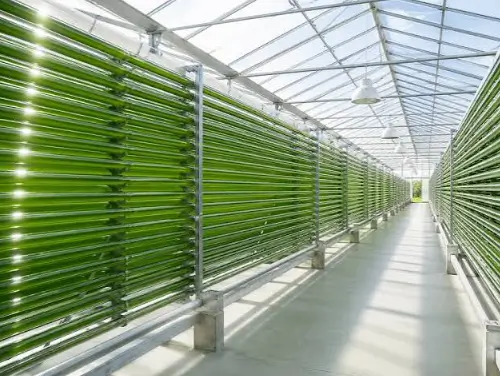
Algae cultivation has moved well beyond small laboratory flasks in recent years, and a big part of that shift comes down to the photobioreactor system. For producers scaling up microalgae for food, biofuel, or pharmaceutical applications, understanding how these systems work is essential before committing to an investment.
What a Photobioreactor Actually Does
At its core, this type of system provides a controlled, enclosed environment where light, temperature, nutrient dosing, and gas exchange can all be precisely managed. Unlike open pond cultivation, an enclosed system protects the culture from contamination and allows operators to maintain the exact conditions a specific algae strain needs to thrive.
Why Light Delivery Is the Central Design Challenge
Since algae growth depends directly on photosynthesis, the way light reaches every cell in the culture is arguably the most important design variable. Tubular, flat-panel, and column reactor designs each distribute light differently, and the right choice often depends on the strain being cultivated and the scale of production being targeted.
Temperature and Nutrient Control
Beyond light, maintaining a stable temperature range and consistent nutrient dosing keeps growth rates predictable. Many systems now integrate sensors and automated dosing pumps, reducing the manual monitoring that used to be required and making it easier to replicate results across multiple production batches.
Scaling from Pilot to Commercial Production
Moving from a small pilot unit to full commercial scale introduces new engineering challenges, particularly around maintaining even light distribution and gas exchange across much larger culture volumes. Producers considering this jump should work closely with equipment suppliers who have direct experience scaling similar systems.
Applications Driving Demand
Beyond traditional nutraceutical and food-grade algae products, photobioreactor systems are increasingly used in carbon capture research and biofuel feedstock production. This diversification of use cases has pushed manufacturers to offer more configurable and modular equipment designs.
See also: Why Supplements Hong Kong Are Becoming More Popular for Health and Wellness
Evaluating Equipment Suppliers
For teams comparing available options, reviewing the specifications and configurations offered through a photobioreactor system supplier can help clarify which reactor geometry and control features best match a specific production goal.
Maintenance and Long-Term Operating Costs
Beyond the initial purchase price, ongoing maintenance, cleaning protocols, and replacement parts all factor into the long-term cost of operating a photobioreactor. Producers should factor these recurring costs into their budgeting rather than focusing solely on upfront capital expenditure.
Frequently Asked Questions
Is a photobioreactor necessary for all types of algae cultivation? Not always. Open pond systems remain cost-effective for certain hardy strains, but enclosed photobioreactors are generally preferred when contamination control or precise growth conditions are critical.
How much does light distribution affect overall yield? Significantly. Uneven light exposure across the culture volume is one of the most common causes of inconsistent growth rates, which is why reactor geometry is such a central design consideration.
What is the biggest challenge when scaling up production? Maintaining consistent light and nutrient distribution as culture volume increases is typically the main engineering hurdle, along with managing heat buildup in larger systems.
Final Thoughts
Photobioreactor systems have become a foundational tool for producers looking to cultivate algae under controlled, repeatable conditions. Understanding the engineering trade-offs behind reactor design helps buyers make more informed decisions as they scale their production.

