
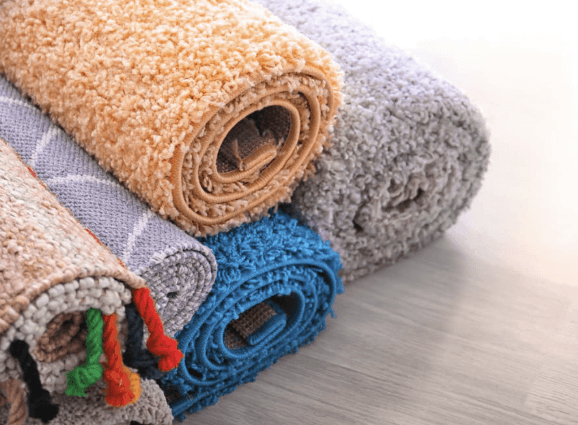
Across a range of households, researchers identified a surprising buildup of dust, allergens, and bacteria hidden deep within common carpet types. While these materials often look clean at a glance, their fibres can trap all kinds of pollutants.
If you and your family spend a big part of the day indoors, the condition of your surroundings plays a bigger role than ever in your household’s well-being.
Keeping a healthy home starts with understanding which carpets are most prone to buildup.
The Ten Dirtiest Carpets
Not all carpets behave the same way. Their material, structure, and placement within the home all influence how easily they trap dirt and how difficult they are to clean.
The study highlighted ten common carpet types found in New Zealand homes that are particularly prone to hidden buildup. Here’s why they made the list:
1. Nylon Carpets. Durable and widely used in high-traffic areas, nylon carpets are built to last—but that resilience comes at a cost. Their fibres tend to hold onto dirt tracked in from outside, especially in busy entryways and hallways. Without frequent vacuuming, buildup can occur quickly.
2. Polyester Carpets. Popular for their affordability, polyester carpets are known for attracting and holding onto oily residues. Common spills, from takeaway meals to household products, can settle into the fibres and become difficult to remove without proper treatment.
3. Wool Carpets. A premium choice in many New Zealand homes, wool carpets offer natural insulation and comfort. However, they are highly absorbent. If not dried thoroughly after cleaning, they can retain moisture, creating conditions where mould may develop.
4. Olefin Carpets. Often installed in moisture-prone areas, olefin carpets resist water but can still trap dirt and bacteria. In poorly ventilated spaces, this can lead to unpleasant odours and hygiene concerns over time.
5. Sisal Carpets. Favoured for their natural, eco-friendly appeal, sisal carpets bring texture and style to interiors. Their downside lies in their sensitivity to stains, particularly in areas with frequent foot traffic or accidental spills.
6. Triexta Carpets. Known for their stain resistance, triexta carpets perform well against spills but still require consistent maintenance. Dust and fine debris can accumulate if regular vacuuming is overlooked.
7. Acrylic Carpets. Common in family homes, particularly in children’s rooms, acrylic carpets are exposed to frequent mess. From food spills to everyday wear, they can quickly show signs of buildup without routine care.
8. Cut Pile Carpets. Soft and inviting, cut pile carpets are designed for comfort. Their structure, however, allows dust and allergens to settle deep within the fibres, making thorough cleaning essential.
9. Loop Pile Carpets. A practical choice for pet owners, loop pile carpets are durable but prone to trapping pet hair and debris. Over time, this can affect both cleanliness and appearance if not managed properly.
10. Frieze Carpets. With tightly twisted fibres, frieze carpets are excellent at disguising dirt. The downside is that buildup often goes unnoticed, requiring periodic deep cleaning to maintain hygiene.
Each of these carpet types brings its own advantages, but understanding their weaknesses makes it easier to manage long-term cleanliness and maintain a healthier home environment.
See also: The impact of Homeschooling on Socialization Skills in Children
Effective Cleaning Techniques for Each Carpet Type
Caring for carpets properly means tailoring your approach to the material rather than relying on a one-size-fits-all method.
For synthetic carpets like nylon and polyester, regular vacuuming combined with occasional steam cleaning helps remove embedded dirt and oils.
Wool carpets, on the other hand, require a more cautious approach. The best results come with low-moisture cleaning and proper drying, which is essential to prevent mould growth.
Natural fibre carpets such as sisal benefit from gentle, targeted cleaning rather than excessive moisture. Meanwhile, high pile styles like frieze require deeper extraction methods to reach trapped debris.
Consistency is key. A well-maintained cleaning routine prevents buildup from becoming a larger issue and helps preserve both the look and lifespan of the carpet.
Health Risks of Dirty Carpets
Carpets can significantly influence indoor air quality, often in ways that are not immediately visible. Dust, pollen, pet dander, and microscopic organisms can settle deep into the fibres, only to be released back into the air through everyday movement.
For individuals dealing with allergies or respiratory conditions, this can become a persistent issue. Dust mites, in particular, thrive in warm and slightly humid environments—conditions that are not uncommon in many New Zealand homes.
Damp carpets present an additional concern. When moisture is trapped, it creates an ideal environment for mould and bacteria to develop, both of which can negatively affect respiratory health over time.
In households where burnout and fatigue are already concerns, poor indoor air quality can add to overall discomfort.
Preventing Carpet Dirt Buildup
Preventing dirt from settling into carpets is often easier than removing it later. Simple habits can make a noticeable difference over time.
Placing doormats at entrances helps reduce the amount of dirt and moisture brought indoors. Encouraging a no-shoes policy further limits external debris from embedding into carpet fibres.
Regular vacuuming remains essential, particularly in high-traffic areas. Promptly addressing spills prevents stains from setting, while protective treatments can add an extra layer of defence against everyday wear.
Financial Implications of Neglecting Carpet Cleanliness
Neglecting carpet care can lead to higher costs over time. While skipping regular cleaning may seem like a small saving, the long-term impact often tells a different story.
Accumulated dirt and debris gradually wear down carpet fibres, reducing their lifespan and leading to earlier replacement.
In some cases, heavily soiled carpets may require intensive professional cleaning, which can be more costly than routine maintenance.
Plus, there are also indirect costs to consider. Poor indoor air quality linked to dirty carpets may contribute to health issues, potentially increasing medical expenses over time.
A consistent cleaning routine helps avoid these outcomes, protecting both your investment and your home environment.
Choosing the Right Professional Cleaning Services
When routine cleaning is no longer enough, professional services can provide a deeper level of care.
Experienced carpet cleaners in Gisborne use specialised equipment and techniques to remove embedded dirt, allergens, and bacteria that standard household tools cannot reach. This not only improves cleanliness but also helps extend the life of your carpet.
Choosing a reliable provider involves more than convenience. Look for experience, transparent methods, and a strong track record of customer satisfaction. Just as you would trust an accountant to handle complex finances.
Conclusion
Homeowners rarely consider what carpets hold onto over time. Then again, after reading eye-opening surveys like this one, they tend to think differently.
The encouraging part is that maintaining cleaner carpets doesn’t require drastic changes. In fact, it can be seen as part of creating a space that genuinely supports everyday living.
Cleaner carpets contribute to fresher air, a more inviting atmosphere, and a home that feels as good as it looks.

