
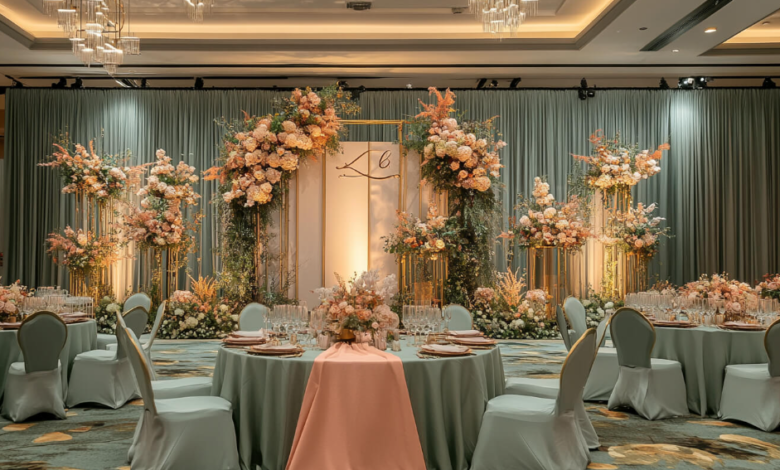
Sage greenery has become one of the most admired decorative elements in modern floral design. Its muted tone, soft texture, and natural appearance allow it to blend beautifully with many flower varieties and event styles. From rustic weddings to elegant indoor celebrations, this greenery creates a calm and balanced atmosphere that complements both bold and delicate blooms.
Florists and event planners often choose sage-toned greens because they provide depth without overpowering other decorative elements. Unlike brighter foliage, sage greenery carries a subtle beauty that works well across every season. Whether used in bouquets, garlands, centerpieces, or ceremony arches, it brings a refined and organic touch to floral arrangements.
Many floral designers prefer using sage greenery in wedding décor because it pairs naturally with roses, peonies, hydrangeas, and wildflowers. Its versatility makes it suitable for classic, bohemian, minimalist, and garden-inspired themes alike.
Why Sage Greenery Is Popular in Floral Arrangements
The popularity of sage greenery continues to grow because of its adaptability and timeless appeal. Unlike trendy decorative accents that fade with time, sage-inspired foliage maintains a natural elegance that suits both traditional and modern aesthetics.
One reason for its popularity is the calming color palette it introduces. Soft green shades symbolize freshness, balance, and renewal. These qualities align perfectly with weddings and celebrations, where the environment is meant to feel welcoming and harmonious.
Another advantage is its ability to soften bold floral combinations. Bright flowers such as sunflowers, red roses, or vibrant tulips can appear more balanced when paired with muted greenery. Sage foliage creates visual contrast while still maintaining a cohesive overall design.
In addition, this greenery photographs exceptionally well. Wedding photographers often appreciate natural greenery because it enhances images without distracting from the subjects. The subtle tones create depth and texture that translate beautifully in both indoor and outdoor lighting.
See also: New Study Reveals 10 Filthiest Carpets in NZ Homes
Different Types of Sage-Inspired Greenery Used in Weddings
Not all sage greenery looks exactly the same. Floral designers often combine several foliage varieties to achieve layered and textured arrangements. Each type contributes a slightly different appearance and feel.
Silver Dollar Eucalyptus
Silver dollar eucalyptus is one of the most recognizable greenery choices in wedding florals. Its rounded leaves and dusty green color make it ideal for bouquets and table runners. The flexible stems also work well for hanging installations and arches.
Dusty Miller
Dusty miller features soft, velvety leaves with a silvery-sage appearance. It adds texture and dimension to bouquets and works particularly well in romantic floral themes.
Seeded Eucalyptus
This variety includes small seed clusters that create additional visual interest. It is commonly used in garlands and cascading arrangements because of its natural movement and fullness.
Olive Branches
Olive greenery carries symbolic meaning associated with peace and unity. Its narrow leaves and muted tones make it suitable for Mediterranean-inspired weddings and outdoor celebrations.
Lamb’s Ear
Lamb’s ear has a soft texture and pale sage appearance that adds warmth and depth to floral designs. It pairs beautifully with blush and ivory flowers.
Best Flower Pairings with Sage Greenery
Sage greenery complements a wide range of flowers because of its neutral and calming tones. Choosing the right flower combinations can create dramatically different styles, from romantic to rustic.
Roses and Sage Greenery
Classic roses pair effortlessly with sage foliage. White roses create a timeless appearance, while blush roses produce a softer, romantic atmosphere. Darker rose shades like burgundy or mauve also stand out beautifully against muted greens.
Peonies and Garden Flowers
Peonies combined with sage greenery create lush and elegant arrangements. This combination is especially popular during spring and early summer weddings because it feels natural and sophisticated.
Wildflowers and Rustic Themes
For outdoor or countryside events, wildflowers mixed with greenery create a relaxed and organic aesthetic. The muted green tones prevent the arrangement from appearing overly colorful or chaotic.
White Flowers for Minimalist Designs
Minimalist wedding décor often relies on clean white flowers accented by greenery. Sage foliage helps maintain simplicity while still adding texture and movement to the arrangement.
Using Sage Greenery in Wedding Décor
Sage greenery can be incorporated into nearly every decorative element of a wedding or formal event. Its versatility allows it to appear cohesive throughout the entire venue.
Bridal Bouquets
Bouquets featuring sage greenery often appear fuller and more natural. Florists use greenery to frame focal flowers while adding softness around the edges.
Popular bouquet styles include:
- Cascading bouquets with eucalyptus
- Compact rose bouquets with dusty miller
- Wildflower bouquets with olive branches
- Garden-inspired arrangements with mixed greenery
Ceremony Arches
Wedding arches decorated with greenery create stunning focal points for ceremonies. Sage foliage can cover wooden structures, metal frames, or floral installations without looking overwhelming.
Reception Centerpieces
Greenery-based centerpieces have become increasingly popular because they offer elegance without excessive floral density. Table runners made from eucalyptus and olive branches create a natural and luxurious appearance.
Hanging Installations
Ceiling greenery installations add depth and dimension to indoor venues. Hanging sage foliage can transform plain spaces into visually captivating environments.
Seasonal Advantages of Sage Greenery
One reason sage greenery remains a preferred choice is its adaptability across different seasons. Unlike some decorative materials that only suit certain times of year, muted greenery transitions naturally from spring to winter.
Spring Weddings
During spring, greenery pairs beautifully with pastel flowers such as tulips, ranunculus, and peonies. The soft tones create a fresh and airy atmosphere.
Summer Celebrations
In summer weddings, sage foliage helps balance vibrant floral colors. Bright blooms become more visually cohesive when combined with neutral greenery.
Autumn Events
Muted greenery works exceptionally well with autumn tones like rust, terracotta, burgundy, and mustard. The natural color palette feels warm and inviting.
Winter Elegance
Even during winter, sage greenery adds softness to formal décor. Combined with candles, white flowers, and metallic accents, it creates an elegant seasonal aesthetic.
Benefits of Using Greenery-Focused Floral Designs
Modern floral trends increasingly emphasize greenery because it provides both practical and visual advantages.
Cost Efficiency
Greenery can create fuller arrangements without requiring excessive flowers. This allows designers to produce luxurious displays while maintaining balanced floral budgets.
Long-Lasting Appearance
Many greenery varieties remain fresh longer than delicate flowers. This durability is especially valuable during long wedding days or multi-day events.
Versatility Across Themes
Sage greenery adapts well to nearly every event style, including:
- Rustic weddings
- Garden parties
- Elegant ballroom receptions
- Bohemian ceremonies
- Minimalist celebrations
- Outdoor gatherings
Natural Atmosphere
Greenery helps venues feel more inviting and connected to nature. Even indoor spaces can appear softer and more organic with thoughtfully arranged foliage.
Styling Tips for Sage Greenery Arrangements
Designing elegant arrangements requires more than simply adding greenery. Proper styling techniques help create balanced and visually appealing results.
Combine Multiple Textures
Mixing several greenery varieties adds movement and dimension. Pair rounded eucalyptus with delicate olive branches or soft dusty miller for layered designs.
Maintain Balanced Proportions
Greenery should complement flowers rather than dominate them. Balanced proportions create harmony within the arrangement.
Use Neutral Color Palettes
Sage tones pair best with neutral, blush, ivory, mauve, and earthy floral palettes. These combinations feel timeless rather than overly trendy.
Incorporate Candles and Natural Materials
Wood accents, linen fabrics, and candles pair beautifully with greenery-focused décor. Together, they create a warm and elegant setting.
Sustainability and Eco-Friendly Appeal
Many couples now prioritize environmentally conscious wedding choices, and greenery-focused arrangements align well with sustainable décor trends.
Using more greenery and fewer imported flowers can reduce waste and transportation demands. Many greenery varieties are also locally available, depending on the season and region.
Reusable greenery garlands and installations can serve multiple purposes throughout an event. Ceremony decorations may later be repurposed for reception spaces, reducing unnecessary waste.
Biodegradable and compostable greenery also appeals to eco-conscious planners seeking natural decorative alternatives.
Conclusion
Sage greenery continues to remain a timeless favorite in floral design because of its elegance, versatility, and calming natural beauty. Whether used in bouquets, centerpieces, arches, or hanging installations, it enhances floral arrangements without overpowering them. Its muted tones create harmony with both classic and modern event styles, making it suitable for celebrations throughout the year.
For weddings and floral events that focus on natural elegance and balanced décor, incorporating flowers for weddings into arrangements can help create a refined and memorable atmosphere.
FAQs
1. What flowers pair best with sage greenery?
Sage greenery pairs beautifully with roses, peonies, hydrangeas, ranunculus, tulips, and wildflowers. Neutral flowers such as ivory or blush roses create a timeless appearance, while brighter blooms gain balance and softness when combined with muted green foliage.
2. Is sage greenery suitable for all wedding themes?
Yes, sage greenery works well with rustic, bohemian, minimalist, garden-inspired, and elegant wedding themes. Its neutral color and soft texture make it versatile enough to blend naturally into almost any decorative style or venue setting.
3. Why is eucalyptus commonly used as sage greenery?
Eucalyptus is popular because of its soft muted color, flexible stems, pleasant fragrance, and long-lasting freshness. It adds texture and fullness to bouquets, centerpieces, arches, and garlands while maintaining a natural and elegant appearance.
4. Can greenery-based floral arrangements reduce wedding costs?
Greenery-focused arrangements can help reduce floral expenses because greenery creates volume and fullness without requiring large quantities of flowers. Designers can achieve luxurious-looking décor while using fewer expensive blooms throughout the venue.
5. How can sage greenery be reused during a wedding event?
Greenery installations can often be repurposed between ceremony and reception spaces. For example, aisle greenery may later decorate sweetheart tables or cake displays, helping reduce waste while maintaining a cohesive decorative style across the event.

