
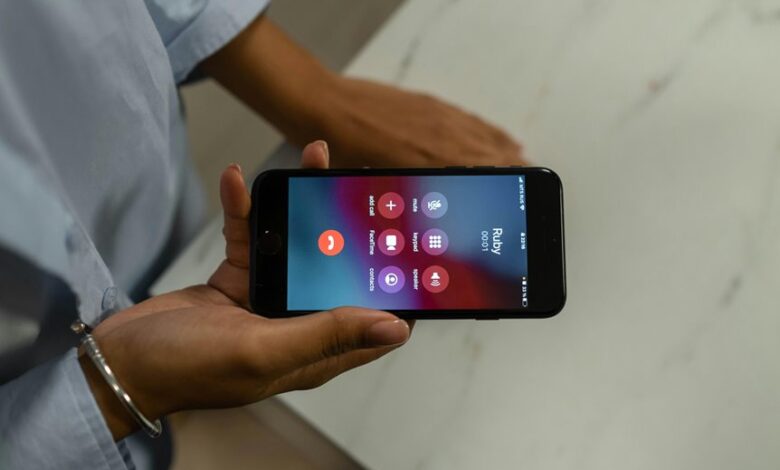
Caller safety research relies on scam phone number lookups that aggregate data from diverse sources to produce layered risk signals. Multiple checks cross-validate caller history, geography, and abuse patterns, offering real-time assessments with transparent provenance. The approach seeks balance between safety and privacy, emphasizing consent and responsible reporting. Yet, questions remain about data quality and bias, and how users interpret alerts when stakes are high—a tension that invites careful consideration as practices evolve.
What ScamPhone Lookup Means for Your Safety
What ScamPhone Lookup means for user safety is that accessing caller data can both reveal harmful patterns and introduce new risks. The practice presents scamphone lookup as a diagnostic tool with clear safety implications, enabling early detection while potentially exposing personal details or mistaken associations. Analysts emphasize measured use, transparency, and consent to balance empowerment with precaution in pursuit of freedom.
How Multiple Scam Checks Work Together in Practice
Multiple scam checks operate in concert to provide a more reliable assessment of caller legitimacy. In practice, datasets from diverse sources feed cross-validation processes, reducing single-point error and highlighting anomalies. The approach yields a layered scam risk assessment, balancing speed and accuracy. Data verification across repositories strengthens confidence while maintaining privacy considerations, supporting informed decisions without overreliance on a single indicator.
Step-by-Step: Verify a Suspicious Number in Real Time
To verify a suspicious number in real time, a systematic workflow is applied: data is fetched from reputable sources, then cross-checked against established risk indicators, including caller history, geographic signals, and reported abuse patterns. The process emphasizes verify numbers with scam databases, preserves user safety, and integrates reporting channels for timely action while remaining mindful of privacy, freedom, and transparency.
Choosing Trusted Databases, Apps, and Reporting Channels
Choosing Trusted Databases, Apps, and Reporting Channels requires a disciplined evaluation of reliability, scope, and governance.
The detached analysis weighs trustworthy databases and reporting channels for verifiability, accessibility, and bias.
Emphasis rests on scamphone lookup capabilities, real time verification, and cross‑source corroboration.
Citizens seeking freedom benefit from transparent criteria, cautious adoption, and continual monitoring of platform integrity and data stewardship.
Conclusion
In sum, scam phone number lookups synthesize data from diverse sources to form a layered risk profile with real-time alerts. The approach is analytical and cautious, prioritizing accuracy through cross-source corroboration while preserving user privacy and consent. Users should treat findings as guidance rather than definitive judgment, and promptly report confirmed abuse through trusted channels. When properly used, these tools are a powerful shield—astonishingly effective at reducing exposure to fraudulent calls without compromising rights.

